
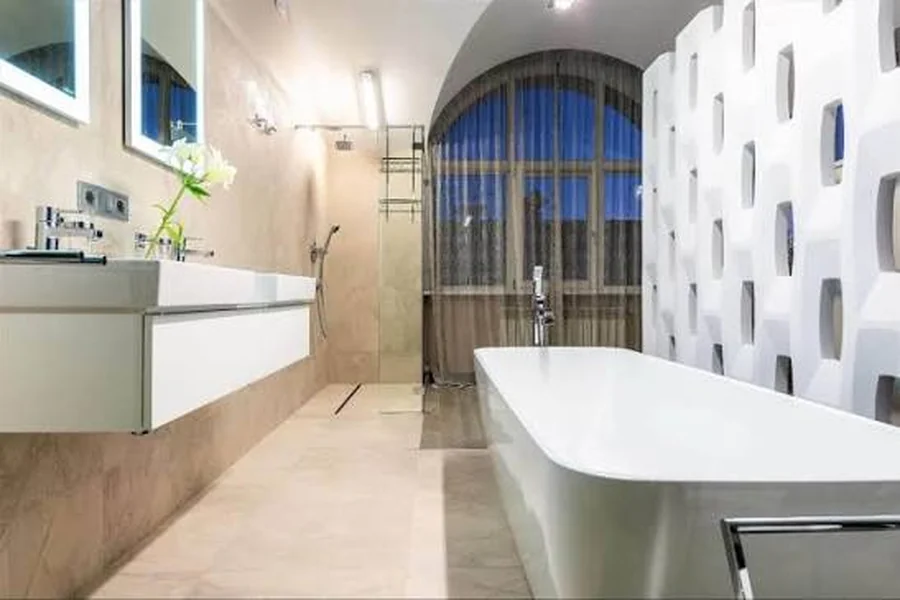

Life in the modern world is characterized by constant connectivity, endless to-do lists, and a relentless pace. Finding a quiet sanctuary to disconnect and unwind is no longer just a luxury; it has become a fundamental necessity for mental well-being. This is where the concept of The Spa-Inspired Washroom: Creating a Personal Relaxation Oasis comes into play. Historically, the bathroom was viewed merely as a utilitarian space designed for quick hygiene routines. Today, however, interior design has shifted dramatically, encouraging homeowners to reimagine these spaces as private wellness retreats. Stepping into your washroom should feel like crossing a threshold into a calmer, slower world where your heart rate drops and your stress dissipates. Achieving this luxurious atmosphere does not necessarily require a complete demolition or a massive budget. Instead, it relies on a thoughtful, intentional approach to design that engages all the senses. By carefully curating your environment through the strategic use of minimalism, comfort, and sensory details, you can effortlessly cultivate an environment that rivals the most exclusive high-end resorts, right in the comfort of your own home.
The Foundations of a Calming Bathroom Retreat
Building a serene environment requires a solid understanding of the core principles of wellness design. At its essence, a spa is centered around harmony, physical balance, and a seamless connection to the natural world. When you begin planning your personal wellness zone, the foundational elements of the room must reflect these calming principles. This shift involves moving away from the stark, sterile, and heavily clinical environments that characterized older bathroom designs and moving toward spaces that exude organic warmth and fluid movement. Consider the architectural layout and flow of the room. Is there a clear, unobstructed path from the door to the shower or vanity? Navigating the room without feeling cramped or bumping into fixtures is essential for maintaining a relaxed mindset.
Another foundational pillar of a tranquil retreat is effective sound control. Professional spas are notoriously quiet, meticulously insulating their guests from the chaotic noise of the outside world. In a typical residential environment, achieving this level of quiet might involve adding plush, heavy textiles to absorb echoing sounds, installing solid-core doors, or even utilizing acoustic panels to dampen the harsh reverberations common in tiled spaces. You want to minimize the intrusive sounds of street traffic, household appliances, or other family members, allowing the gentle, rhythmic hum of running water to take center stage. Incorporating elements like a small, continuous indoor water feature or prioritizing a high-quality rain showerhead can provide that soothing white noise. Once this baseline of peace and quiet is firmly established, all your subsequent decorative choices will naturally build upon a deeply tranquil foundation.
Selecting the Perfect Color Palette and Textures
Color exerts a profound psychological impact on our emotional state, making it one of the most critical decisions in your interior design journey. To successfully emulate the atmosphere of a professional wellness center, you should step away from jarring, highly saturated colors or complex, busy wallpapers. Instead, lean heavily into nature-inspired, muted neutral tones. Soft, gentle shades such as misty sage green, warm sandy taupe, pale seafoam blue, and creamy, off-whites are incredibly effective at calming the nervous system. These specific shades mimic the natural world around us—reflecting the sky, the sea, and the earth—and bring those grounding, stabilizing effects directly into your home. Applying these harmonious colors through matte wall paint, textured wall coverings, or large-format tiling ensures they flow seamlessly throughout the space without overwhelming the eye.
Texture plays an equally vital role in counteracting the cold, hard surfaces that are traditionally abundant in bathrooms. A luxury spa feels deeply inviting because of the diverse tactile experiences it offers to guests. You can introduce natural, earthy materials like sustainable bamboo, rich teak wood, or rough-hewn stone to add immediate warmth and visual intrigue. Placing a slatted teak wood floor mat inside your shower or just outside the tub instantly evokes the ambiance of a tropical luxury resort. You can beautifully contrast smooth, polished porcelain sinks with matte stone countertops or incorporate woven rattan baskets for elegant storage. When it comes to everyday linens, you should never compromise on quality. Investing in premium, oversized Egyptian cotton or bamboo bath sheets is essential. The physical sensation of wrapping your body in a plush, heavy, warm towel after a long bath is a small but highly impactful daily luxury that significantly elevates your entire relaxation experience.
Upgrading Your Fixtures for Ultimate Comfort
The physical fixtures installed in your washroom are the primary tools through which you will experience relaxation. Upgrading these specific elements can completely transform a mundane daily routine into a highly anticipated therapeutic ritual. The shower and the bathtub are undoubtedly the centerpieces of any luxury bathroom. If your floor plan allows for it, a deep, freestanding soaking tub serves as a stunning visual focal point and provides a dedicated, immersive space for restorative baths. Ergonomic tub designs that support the natural curvature of your spine allow you to soak comfortably for extended periods, melting away muscular tension.
If a large bathtub is not a feasible option for your home, you should focus your resources on engineering an exceptional, spa-grade shower experience. Expanding your shower into a large walk-in enclosure framed by clear, seamless glass keeps the room feeling incredibly open, airy, and expansive. Installing a wide rainfall showerhead is a must, as it simulates the gentle, all-encompassing feeling of standing outside in a warm summer rainstorm. To elevate the experience even further, consider incorporating dual showerheads, massaging body jets, or even a built-in steam generator. A home steam shower provides remarkable health benefits, ranging from clearing congested sinuses to deeply relaxing tight, overworked muscles. Furthermore, do not overlook the impact of smaller hardware updates. Swapping out standard, builder-grade faucets for sleek, contemporary designs featuring brushed nickel, matte black, or warm brass finishes instantly modernizes the space. Adding premium comforts like a bidet attachment, under-floor heating, or a heated towel rack provides that final layer of tailored luxury.
The Role of Lighting and Aromatherapy
A true relaxation oasis is never illuminated by harsh, overly bright, or fluorescent overhead lights. Proper lighting is responsible for setting the emotional tone of the room, and in a spa setting, versatility is absolutely essential. While you certainly need bright, clear task lighting for daily grooming and makeup application, you equally need the ability to soften the room’s atmosphere when it is time to unwind in the evening. The most effective approach is to implement a layered lighting scheme. Installing dimmer switches on all overhead fixtures allows you to easily lower the brightness to a gentle, romantic glow at a moment’s notice. Adding stylish wall sconces at eye level near your vanity mirrors provides flattering, even light that eliminates harsh facial shadows. For the ultimate relaxing touch, incorporate indirect ambient lighting, such as waterproof LED strips hidden seamlessly beneath a floating vanity or tucked elegantly into ceiling coves.
Aromatherapy serves as the invisible design element that masterfully ties the entire sensory experience together. The human olfactory system is directly linked to the emotional and memory centers of the brain, which means specific scents can instantaneously trigger deep feelings of calm, safety, or invigoration. You can easily introduce therapeutic fragrances by utilizing ultrasonic essential oil diffusers, high-quality scented soy candles, or natural botanical room sprays. Essential oils like eucalyptus and peppermint are exceptionally effective during morning routines, as they awaken the senses and help clear the respiratory tract. Conversely, for an evening wind-down routine, scents such as French lavender, chamomile, and warm sandalwood naturally promote deep relaxation and physically prepare the body for a restful night of sleep. A popular and highly effective technique is to tie a bundle of fresh eucalyptus branches directly to your showerhead; the hot steam will continuously release the plant’s natural, healing oils into the air.
Keeping Your Sanctuary Clutter-Free
A visually cluttered space inevitably results in a mentally cluttered mind. It is practically impossible to fully relax and let go of stress in a room that is overflowing with half-empty shampoo bottles, stray makeup products, and tangled electrical cords from hair tools. Authentic spa environments are universally defined by their clean, minimalist, and highly intentional aesthetic. To successfully replicate this calming atmosphere in your home, you must prioritize smart, hidden organization. The process begins by ruthlessly purging any expired products or items you no longer use on a regular basis. Keep only your absolute essentials and the specific items that actively contribute to your daily well-being.
Once you have minimized your belongings, it is time to invest in elegant, functional storage solutions. Utilizing built-in cabinetry, floating wooden shelves, and expansive mirrored medicine cabinets allows you to keep your daily items completely out of sight yet easily accessible when needed. Consider decanting your liquid products; using matching amber glass bottles or sleek ceramic dispensers for your body washes, shampoos, and lotions removes chaotic visual noise. Getting rid of brightly colored, heavily branded plastic commercial bottles and replacing them with uniform, minimalist containers instantly and dramatically elevates the visual appeal of the entire room. Additionally, you can utilize tightly woven baskets to beautifully roll and store your extra hand towels, adding a decorative textural element while maintaining strict organization. By ensuring that every single item has a designated home and keeping your vanity countertops completely clear, you preserve the peaceful, open, and airy atmosphere required for true relaxation.
Final Thought
Transforming your bathroom into a soothing, spa-like retreat is one of the most rewarding investments you can make in your personal home and your daily well-being. The Spa-Inspired Washroom: Creating a Personal Relaxation Oasis is ultimately about much more than following aesthetic trends; it is about intentionally carving out a dedicated, private environment where you can safely shed the heavy demands of the outside world. By thoughtfully blending calming color palettes, organic textures, luxurious upgraded fixtures, and versatile ambient lighting, you elevate a purely functional utility room into a beautiful haven of tranquility. Whether you begin your busy mornings with an energizing rainfall shower or conclude your long days with a quiet, candlelit soak, your newly designed sanctuary will continuously provide a restorative space to pause, breathe deeply, and fully recharge.
FAQs
What are the best colors to use for a spa-like bathroom? The best colors for a relaxing washroom are soft, nature-inspired neutral tones such as muted sage greens, warm sandy taupes, pale seafoam blues, and creamy off-whites, as they naturally calm the nervous system.
How can I make a small washroom feel like a relaxation oasis? You can easily maximize a smaller space by ruthlessly clearing all countertop clutter, utilizing large mirrors to reflect natural light, incorporating soft dimmable ambient lighting, and upgrading to a high-quality rainfall showerhead.
Are natural materials important in spa design? Yes, integrating natural materials like sustainable bamboo, rich teak wood, and organic stone is crucial because they add necessary warmth and tactile luxury that effectively counteract cold, clinical bathroom surfaces.
What type of lighting works best for a calming bathroom? A layered lighting approach equipped with dimmer switches works best, granting you the flexibility to transition from bright, clear task lighting for morning grooming to soft, indirect ambient lighting for evening relaxation.
How does aromatherapy enhance the washroom experience? Aromatherapy enhances the experience by using natural scents like eucalyptus, lavender, and sandalwood to directly stimulate the brain’s emotional center, which significantly helps to reduce lingering stress and elevate your overall mood.
Can I create a spa bathroom without a bathtub? Absolutely, you can still create a deeply luxurious experience without a tub by focusing your budget on a premium walk-in shower equipped with dual showerheads, built-in steam features, and a frameless glass enclosure.