
Coming home from service does not always mean coming home to yourself. Many veterans in Monmouth County carry a persistent low mood, loss of interest, and exhaustion that outlasts the transition to civilian life, and for a significant number that depression does not respond to the antidepressants they are offered. At The TMS Center of New Jersey, veterans with treatment-resistant major depressive disorder find a non-invasive option that works directly on the brain circuits involved in mood. Learning about TMS Therapy Tinton Falls NJ is a practical first step for any veteran, or family member, looking for a path that does not rely on another prescription.
Depression After Military Service
Depression among veterans has its own texture. The structure and purpose of service disappear, sleep is often disrupted, and physical injuries can limit the activity that used to steady mood. Some veterans are also receiving care for other service-related conditions, and it is common for major depressive disorder to sit alongside that care rather than replace it.
The signs that warrant attention are persistence and reach: low mood or loss of interest lasting more than two weeks, changes in sleep and appetite, difficulty concentrating, withdrawal from family, and a sense that nothing will improve. When two or more antidepressants have not helped, a different approach is reasonable.
How TMS Treats Depression
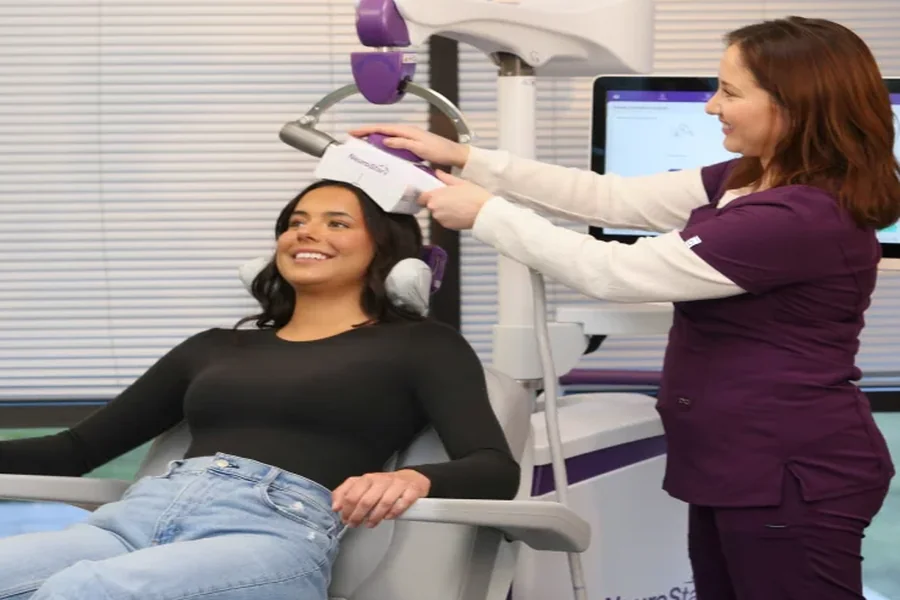
Transcranial Magnetic Stimulation is FDA-cleared for major depressive disorder in adults. Focused magnetic pulses are delivered to the left prefrontal cortex, a region that is typically underactive in depression, over 36 sessions across about six weeks. The pulses encourage that region to return to a healthier level of activity, and the effect builds across the course.
There is no anesthesia or sedation, and TMS does not have the common systemic side effects of medication. The most common side effect is temporary scalp discomfort or headache. There is a rare risk of seizure, under 0.1% per patient, and clinical trials showed no adverse effects on memory or concentration.
No New Medication: TMS is drug-free, which matters to veterans already managing several prescriptions for other conditions.
Fits Around Life: Each session may take as little as 19 minutes, and you drive yourself to and from the clinic.
Works Alongside Other Care: Counseling, VA services, and medical treatment for other conditions continue as before.
In real-world outcomes reported by NeuroStar, 83% of patients who completed treatment experienced measurable depression relief, and 62% reached full remission. Clinical studies have also shown response and remission lasting over a year.
What Veterans Can Expect at The TMS Center of New Jersey
The first visit is an evaluation. Clinicians confirm the diagnosis of major depressive disorder, review your treatment history, and screen for contraindications such as non-removable metal in or near the head. If you are receiving care through the VA or a community provider, the team coordinates with them so that your depression treatment fits into the wider plan rather than running separately.
Coverage is usually straightforward. VA community care, TRICARE, and most commercial insurers cover TMS for major depressive disorder once medication criteria are met, and the clinic handles the authorization with you.
Sessions are scheduled at a consistent weekday time. Many veterans appreciate that the treatment is structured and predictable, with a clear start, a clear finish, and measured progress along the way.
For Family Members Supporting a Veteran
Spouses and parents are often the first to notice that a veteran is not recovering, and the first to raise the idea of treatment. The TMS Center of New Jersey welcomes family members at the evaluation, where the clinician can explain the treatment and answer questions about safety and scheduling directly.
During the course, practical support matters most: protecting the daily appointment, helping with transport if driving is an issue for other reasons, and noticing small improvements without pressing for a daily progress report. Many families find that the structure of the course, with a clear start and finish, is itself reassuring after years of open-ended worry.
Frequently Asked Questions About TMS for Veterans
Does TMS treat PTSD?
No. TMS is FDA-cleared for major depressive disorder. Veterans receiving care for other service-related conditions continue that care, and TMS addresses the depression alongside it.
Will the VA cover TMS Therapy Tinton Falls NJ veterans receive?
VA community care and TRICARE cover TMS for major depressive disorder when criteria are met. The TMS Center of New Jersey will confirm your eligibility and handle the paperwork.
Is TMS safe for someone with a history of head injury?
A history of head injury does not automatically rule out TMS, but it is reviewed carefully at the evaluation because of the rare risk of seizure. Bring your medical records so the clinician can make an informed decision.
To learn more or schedule a consultation, call The TMS Center of New Jersey at (732) 889-5689.