
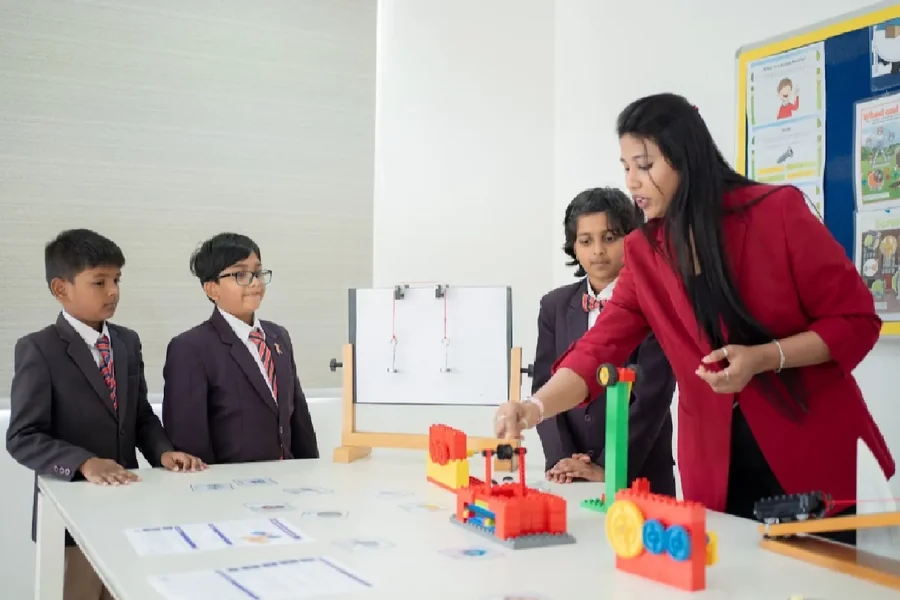

Early childhood is one of the most important stages of human development. During these early years, children develop essential skills, build relationships, explore their surroundings, and begin understanding the world around them. The importance of early childhood education goes beyond preparing children for primary school. It creates a strong foundation for lifelong learning, emotional well-being, communication, and social development. Quality early education provides young learners with opportunities to develop curiosity, creativity, confidence, and independence in a supportive environment. Through age-appropriate activities, meaningful interactions, and guidance from trained educators, children can develop abilities that influence their future. Investing in early learning benefits not only individual children but also families, communities, and society as a whole.
1. Builds Strong Cognitive and Learning Skills
Early childhood education supports the development of important cognitive abilities, including memory, attention, reasoning, and problem-solving. Young children naturally learn through observation, exploration, questions, and play. A structured learning environment encourages these activities while introducing basic concepts such as numbers, letters, shapes, colors, and patterns. Teachers use stories, puzzles, games, and hands-on activities to make learning enjoyable and meaningful. These experiences help children understand new information and develop curiosity about different subjects. Rather than focusing only on memorization, quality early education encourages children to think independently and find simple solutions to everyday challenges. These abilities support future academic development.
2. Encourages Social and Emotional Development
Learning to interact with others is an essential part of growing up. Early childhood education gives children opportunities to communicate, share resources, take turns, and participate in group activities. These experiences help them understand cooperation, respect, empathy, and friendship. Children also begin recognizing their emotions and learning appropriate ways to express their feelings. Supportive teachers can guide young learners through situations involving disappointment, disagreement, or frustration. Over time, children become more comfortable interacting with classmates and adults. Developing emotional awareness and social confidence at an early age can make it easier for children to build healthy relationships and adjust to different environments.
3. Develops Language and Communication Abilities
Language development begins long before children start formal schooling. Early learning environments support communication by encouraging conversations, storytelling, singing, listening, and reading. Teachers introduce new vocabulary and help children express their thoughts through words, gestures, and simple sentences. Group discussions and interactive activities also teach children how to listen carefully and respond appropriately. Reading picture books and telling stories can improve comprehension while introducing different ideas and experiences. Parents can support these skills by talking with children, asking questions, and reading together at home. Strong communication abilities help children participate in classroom activities, build relationships, and understand future lessons.
4. Promotes Creativity, Curiosity, and Independent Thinking
Children are naturally curious, and early education provides a safe environment where they can explore their interests. Activities such as drawing, painting, building blocks, music, role-playing, and imaginative games encourage creative expression. These experiences allow children to experiment with ideas and develop their own approaches to different challenges. Teachers can support curiosity by asking open-ended questions and allowing children to investigate simple problems instead of always providing immediate answers. Children also learn to make choices, complete small tasks, and take responsibility for their activities. These opportunities strengthen independence and confidence while helping young learners develop flexible thinking and a positive attitude toward learning.
5. Supports Physical Health and Motor Skill Development
Physical development is another important part of early childhood education. Young children need opportunities to move, play, and practice different physical activities to develop coordination, balance, strength, and motor skills. Outdoor games, dancing, running, jumping, and simple sports support large muscle development. Activities such as drawing, cutting paper with child-safe scissors, stacking blocks, and handling small objects help improve fine motor coordination. Early education programs can also introduce healthy habits, including handwashing, personal hygiene, nutritious eating, and regular physical activity. These lessons help children understand the importance of taking care of their bodies and establishing healthy routines from an early age.
6. Prepares Children for Future Academic and Life Success
A positive early learning experience can make the transition into primary school easier. Children who become familiar with classroom routines, group instructions, basic academic concepts, and structured activities may feel more confident when they begin formal education. They also develop useful habits such as listening, following directions, completing tasks, and asking for help when necessary. However, preparation for the future should not be limited to academic performance. Early childhood education also helps children develop patience, adaptability, teamwork, and problem-solving abilities. Parents looking for helpful educational information and different learning perspectives may also find resources through platforms such as replycorner. These early experiences can support success in school and everyday life.
Final Thought
Early childhood education plays a valuable role in shaping a child’s future by supporting intellectual, social, emotional, and physical development. The experiences children receive during their early years can influence how they communicate, solve problems, build relationships, and approach new challenges. Quality early learning does not require constant academic pressure. Instead, it should provide a balanced environment where children can learn through play, exploration, interaction, and positive guidance. Parents, teachers, and communities all have responsibilities in creating these opportunities. By giving young children access to supportive educational experiences, society can help them build confidence, develop essential life skills, and become prepared for future opportunities.
FAQs
- Why is early childhood education important?
Early childhood education is important because it supports children’s cognitive, emotional, social, and physical development. It helps them develop communication skills, confidence, creativity, and basic academic knowledge while preparing them for primary school and future learning experiences.
- What is the best age to start early childhood education?
Children can benefit from learning experiences from birth, particularly through interaction with parents and caregivers. Structured early childhood programs commonly serve children between three and five years old, although suitable starting ages depend on individual development and family circumstances.
- What are the main benefits of early childhood education?
The main benefits include improved language development, stronger social skills, better emotional awareness, increased creativity, and improved readiness for formal schooling. Early education also encourages independence, curiosity, problem-solving, and healthy daily habits.
- How does early education affect brain development?
Early experiences help shape the developing brain by creating and strengthening connections involved in memory, language, attention, and emotional regulation. Positive interactions, play, and age-appropriate learning activities support healthy cognitive development during these important years.
- What role do parents play in early childhood education?
Parents play a major role by providing emotional support, encouraging curiosity, reading with children, and creating opportunities for everyday learning. Communicating regularly with teachers and maintaining consistent routines can also strengthen a child’s educational development.
- How does play support early childhood learning?
Play helps children learn through exploration, experimentation, and interaction. Building blocks, puzzles, pretend games, and outdoor activities can improve problem-solving, creativity, communication, coordination, and social skills while making learning enjoyable.
- What skills should children develop before primary school?
Children can benefit from developing basic communication, listening, social interaction, independence, and problem-solving skills before primary school. Familiarity with letters, numbers, shapes, and simple instructions can also make the transition into formal education more comfortable.
- What is the difference between early childhood education and childcare?
Childcare primarily focuses on providing supervision, safety, and daily care while parents are occupied. Early childhood education includes these responsibilities but also emphasizes planned learning experiences that support children’s intellectual, social, emotional, and physical development.
- How can teachers make early childhood education effective?
Teachers can make early education effective by creating safe, welcoming classrooms and using age-appropriate activities. Encouraging questions, supporting individual learning needs, communicating with families, and combining play with guided instruction can improve children’s learning experiences.
- Does early childhood education improve future academic performance?
Quality early childhood education can help children develop foundational skills that support future academic performance. Early experiences with language, numbers, social interaction, and problem-solving can make formal learning easier, although outcomes also depend on later educational opportunities and support.