
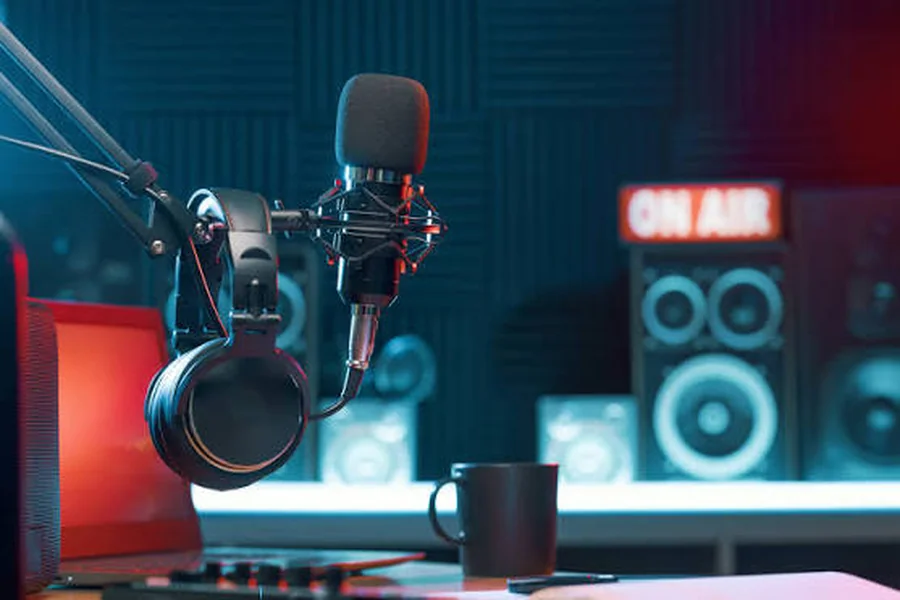

When we reflect on the sweeping history of mass media and communication, original broadcasts captured the public imagination in ways that printed newspapers simply could not achieve. The gentle crackle of static, the soothing warmth of a familiar announcer’s voice, and the edge-of-your-seat suspense of a well-crafted evening drama brought the vast, complex world directly into the cozy confines of the living room. Decades later, our modern technology has remarkably circled back to this fundamental, deeply rooted human desire to simply listen. We are currently experiencing The Revival of Radio: Podcasts and the Renaissance of Audio Storytelling. This fascinating cultural phenomenon is not merely a fleeting, nostalgic nod to the past; rather, it is a profound and lasting reimagining of how we consume daily information, find our entertainment, and forge meaningful connections with others in a hyper-visual world. As smartphones, tablets, and television screens relentlessly demand our constant, unblinking attention, the auditory realm offers a much-needed, refreshing alternative. It provides a unique medium that allows us to fully engage our minds and imaginations while blissfully freeing our eyes and hands to go about our daily lives without interruption.
The Golden Age of Broadcasting Returns
To truly comprehend the current massive boom in on-demand audio, we must first look closely at the historical foundations laid by traditional radio broadcasting. During the cultural touchstones of the 1930s and 1940s, entire families would routinely gather around large, beautifully crafted wooden receiver sets placed prominently in their homes. They tuned in faithfully to hear the latest breaking news, listen to live orchestral music, and follow the gripping twists and turns of weekly serial dramas. This early medium relied entirely on clever sound effects, expressive voice acting, and, most importantly, the listener’s own active imagination to paint a vivid, colorful picture of the events unfolding in their minds. Today’s dynamic podcasting landscape beautifully mirrors this cherished golden age, capturing the exact same storytelling magic but delivering it seamlessly through digital data streams rather than traditional airwaves. The brilliant modernization of this classic format means that contemporary listeners are no longer bound by the strict, inflexible broadcast schedules or the geographical limitations that once dictated media consumption. You can comfortably tune into a deep, multi-part investigative journalism series produced on another continent while simply walking your dog in your own quiet neighborhood. This unprecedented level of accessibility has single-handedly fueled an explosion of high-quality content that rivals, and in some ways surpasses, the early pioneering days of television and film. Modern creators are investing heavy resources into sophisticated sound design, frequently utilizing original musical scores and immersive, spatial audio mixing to create genuinely cinematic experiences specifically crafted for the ears. Just as legendary figures like Orson Welles once captivated millions with their dramatic, commanding readings, today’s modern hosts are rapidly building incredibly dedicated communities of passionate followers who eagerly hang on their every word. The triumphant return to this audio-centric format clearly proves that while global technology inevitably evolves at a breakneck pace, our fundamental human appreciation for a well-told, captivating narrative remains entirely unchanged by the passage of time.
How Digital Audio Transforms Modern Commutes
One of the absolute primary catalysts driving the explosive, sustained growth of this particular medium is the frantic pace of the modern lifestyle, specifically the grueling daily commute and the endless, repetitive list of household chores that occupy so much of our waking time. Unlike high-definition video content or densely written text articles, both of which strictly require our undivided visual and physical attention, auditory narratives serve as the ultimate multitasking companion for the modern individual. Whether you are hopelessly stuck in frustrating rush hour traffic, riding a densely crowded subway train to work, or simply standing in your kitchen folding a massive pile of laundry on a quiet Sunday afternoon, slipping on a comfortable pair of headphones instantly and magically transports you to entirely another world. This incredibly unique characteristic has radically transformed tedious, mundane daily routines into highly anticipated opportunities for personal growth, deep education, and premium entertainment. Modern commuters are thankfully no longer limited to the highly repetitive, ad-heavy playlists of local FM radio stations or the notoriously stressful, anxiety-inducing barrage of morning news traffic and weather reports. Instead, they possess the unprecedented power to carefully curate a bespoke, customized listening experience tailored entirely to their own specific niche interests. During a thirty-minute drive, you can actively learn the fundamentals of a new foreign language, dive deep into the political history of the Roman Empire, listen to top-tier industry leaders debate complex business strategies, or simply laugh out loud along with brilliant comedians who are playfully dissecting the week’s pop culture news. This incredibly seamless integration into the fabric of our daily lives has firmly established on-demand audio as an essential staple of modern existence. The profound ability to passively consume high-quality, long-form intellectual and entertainment content is a modern luxury that previous generations could not have possibly imagined. It effectively turns what used to be considered dead time into highly productive, thoroughly enjoyable moments, fundamentally altering how we perceive and value the precious hours we are forced to spend in transit or performing repetitive manual tasks.
Intimacy and Connection in the Earbud Era
Moving far beyond mere logistical convenience, there is a deeply profound psychological component actively driving the monumental success of modern auditory platforms. The simple physical act of listening to a human voice piped directly through earbuds creates a powerful sense of profound intimacy that is incredibly rare in modern media. Unlike a polished television presenter who is visibly speaking to a massive, faceless audience of millions from behind a brightly lit studio desk, a talented podcast host often sounds as though they are speaking directly to you, the individual listener, in a private conversation. This unique parasocial relationship naturally fosters a deep level of personal trust and fierce loyalty that is exceptionally difficult to artificially replicate in other, more traditional forms of media. When you voluntarily choose to spend hours every single week listening to a specific person openly share their inner thoughts, personal vulnerabilities, and unique sense of humor, you inevitably begin to feel as though they are a close, trusted friend. This deep emotional connection serves as the absolute lifeblood of the audio medium. It perfectly explains why regular listeners are so remarkably highly engaged, often eagerly purchasing obscure products casually recommended by their favorite hosts, or generously donating their hard-earned money to various crowdfunding campaigns just to ensure their favorite independent shows stay afloat. The refreshingly unscripted, highly conversational tone of many wildly popular shows successfully strips away the rigid, polished, and often sterile corporate veneer of traditional mainstream media, instead offering a raw, unfiltered, and deeply authentic alternative. In a modern era where mainstream social media frequently feels artificially constructed, highly filtered, and emotionally exhausting, the genuine human connection provided by a raw, unedited audio conversation is incredibly refreshing and deeply necessary. It provides consistent comfort, reliable companionship, and a powerful sense of belonging to a broader community of like-minded individuals scattered across the globe. Whether the central topic of discussion focuses on mental health struggles, meticulously researched true crime investigations, or the strategic nuances of fantasy football, the emotional bond seamlessly forged through the surprisingly simple act of focused listening is incredibly powerful and built to endure over time.
The Democratization of Media Production
The incredible cultural renaissance we are currently witnessing is definitively not just about how content is consumed by the masses; it is equally, if not more importantly, about how it is actually created in the first place. In the rigid landscape of the past, successfully producing a nationally syndicated radio show strictly required expensive, bulky studio equipment, hard-to-obtain broadcasting licenses, and the robust financial backing of a major, gatekeeping network. Today, those towering traditional barriers to entry have been completely and permanently shattered by the digital revolution. Practically anyone with a decent-quality microphone, a standard laptop, and a reliable internet connection can easily record, seamlessly edit, and instantly publish their unique ideas to a massive, global audience. This widespread democratization of media production has directly led to a glorious diversity of voices, stories, and perspectives that traditional, risk-averse media networks could never possibly accommodate. Hyper-specific niche hobbies, historically marginalized minority communities, and wonderfully unconventional philosophical viewpoints now possess accessible platforms where they can truly thrive and organically find their dedicated audience. Fiercely independent creators can effectively build sustainable, highly profitable creative businesses without ever needing to seek the permission or approval of a wealthy corporate executive or a traditional industry gatekeeper. This unprecedented creative freedom has consequently sparked a massive, ongoing wave of pure innovation in storytelling techniques, show formatting, and wildly inventive genre-blending. We routinely see deep investigative journalism crossing over with personal memoir, compelling fiction intentionally blurring the lines with stark reality through clever mockumentaries, and dense educational content smoothly delivered through highly engaging, gamified auditory experiences. While the sheer, overwhelming volume of available content is undeniably staggering, it practically guarantees that no matter how bizarrely specific or unique your personal interests may be, there is absolutely a high-quality show out there perfectly tailored for you. The total democratization of the audio medium beautifully ensures that the exciting future of storytelling will be directly shaped by the passionate creators and the dedicated listeners themselves, rather than being strictly dictated by a small handful of powerful, disconnected executives.
The Future of Sound and Narrative
As we enthusiastically look ahead to the coming decades, the upward trajectory of this powerful auditory resurgence points definitively toward even more incredibly immersive and highly interactive listening experiences. Rapid, cutting-edge advancements in spatial audio technology and binaural recording techniques are currently allowing ambitious producers to create lush, three-dimensional soundscapes that effectively place the listener directly in the physical center of the unfolding action. Imagine intensely listening to a gripping fictional thriller where the ominous, heavy footsteps literally seem to approach from right behind your left shoulder, or deeply enjoying an expansive nature documentary where the gentle rustling of autumn leaves and the complex, melodic bird calls surround you completely in a sphere of crystal-clear sound. Furthermore, the rapid, ongoing integration of advanced artificial intelligence in complex audio editing workflows and synthetic voice generation is dramatically opening up entirely new, previously unimaginable frontiers for highly personalized, localized content. While the absolute core appeal of the medium will undoubtedly always remain deeply rooted in the authentic human voice and masterfully compelling narratives, these powerful technological enhancements will constantly push the known boundaries of what is creatively possible. Major global brands and savvy marketers are also increasingly recognizing the vast, untapped potential of this intimate space, directly leading to a massive increase in high-quality, branded content that wisely prioritizes genuine storytelling and emotional connection over loud, traditional advertising methods. The primary challenge moving forward for both independent and corporate creators will be successfully maintaining that crucial authenticity and deep intimacy that initially made the medium so incredibly popular, while simultaneously navigating a vastly more crowded, highly competitive, and increasingly professionalized digital landscape. However, the fundamental human desire for deep interpersonal connection specifically achieved through the timeless art of the spoken word remains incredibly timeless. As long as there are fascinating stories to be told and curious people willing to listen to them, the vibrant landscape of digital audio will absolutely continue to flourish, expand, and evolve in wildly exciting new directions.
FAQs
What is the main reason behind the current boom in on-demand audio? The convenience of multitasking, the intimacy of the listening experience, and the democratization of content creation are the primary drivers of this growth.
How does modern audio storytelling differ from traditional broadcasting? Modern formats offer on-demand listening, niche content tailored to specific interests, and a complete lack of geographical or scheduling restrictions compared to traditional broadcasting.
Do you need expensive equipment to start recording your own show? No, many successful creators begin with just a basic microphone and free editing software, as the quality of the content and storytelling often outweighs the need for professional studio gear.
Can digital audio formats eventually replace visual media like television and film? They are not likely to replace visual media entirely, but they serve as a powerful complementary medium that heavily excels in situations where visual attention is simply not possible.
How do independent creators make money from their auditory content? Creators generate substantial revenue through a wide variety of diverse methods, including dynamic advertising, loyal listener sponsorships, premium subscription models, and live touring events.
Final Thought
The remarkable, ongoing resurgence of auditory entertainment stands as a powerful, undeniable testament to the incredible, enduring power of the spoken word. In a modern, fast-paced digital landscape completely saturated with fleeting, often overwhelming visual stimuli, the deeply focused, highly imaginative engagement heavily required by pure sound offers a necessary, deeply soothing counterbalance to our hectic daily lives. The Revival of Radio: Podcasts and the Renaissance of Audio Storytelling consistently reminds us that achieving true, lasting connection does not always strictly require looking at a glowing screen. As the beautiful medium steadily continues to mature and technologically expand, it will undoubtedly introduce brilliant new voices, wildly experimental narrative formats, and much deeper, more profound ways for us to fully understand the complex world around us. Actively embracing this incredible audio revolution beautifully enriches our otherwise mundane daily routines and deeply connects us back to the most timeless, fundamentally human tradition of all: peacefully sharing incredible, captivating stories around the warm glow of the communal fire.



Pingback: Vinyl and Vibes: How Analog Sound Survived the Digital Age