
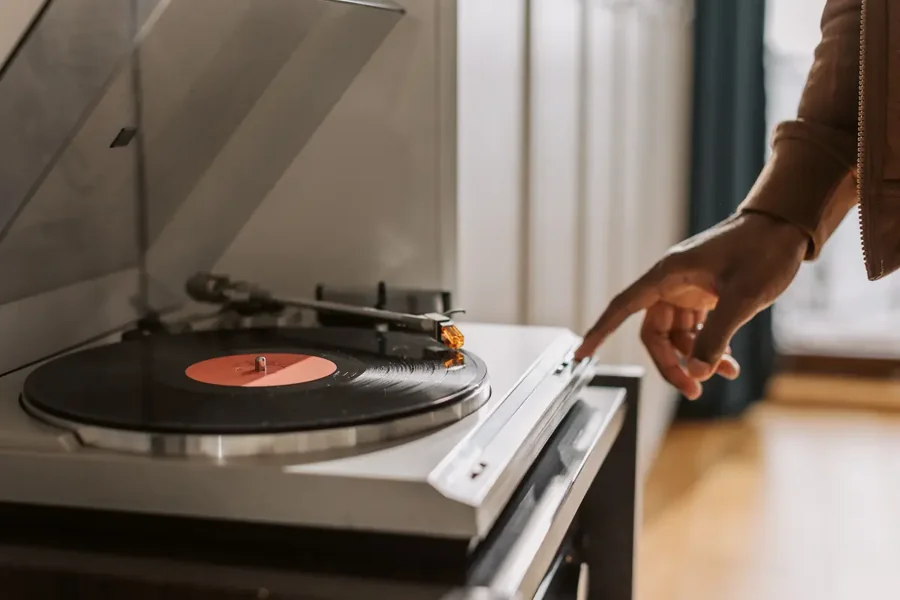

Vinyl and Vibes: How Analog Sound Survived the Digital Age is a topic that fascinates sociologists, audiophiles, and everyday music fans alike. In an era where almost every song ever recorded is available at the tap of a screen, the resurgence of records seems wonderfully counterintuitive. We live in a world heavily dominated by absolute convenience, complex algorithms, and invisible data streams floating endlessly through the cloud. Yet, millions of people across the globe are actively choosing a format that requires them to handle delicate discs, carefully place a precise stylus, and physically flip the record every twenty minutes just to hear the rest of an album. This fascinating shift tells us something incredibly profound about how we consume art and exactly what we value in our entertainment choices. People are actively seeking a deeper, more substantial connection with their favorite music, moving away from passive background listening and returning to active, highly intentional engagement. The survival and current prosperity of this vintage format proves that rapid technological advancement does not always obliterate the past; instead, it sometimes makes us appreciate the organic, beautifully imperfect nature of physical media even more intensely.
The Tactile Magic of Physical Media
One of the primary reasons records have maintained their powerful grip on music lovers is the sheer physicality of the format itself. When you stream an album on a smartphone or computer, you are merely renting temporary access to a digital file stored on a remote server. There is absolutely nothing to hold in your hands, nothing physical to display proudly on a shelf, and nothing tangible to pass down to the next generation of music lovers in your family. The tactile nature of physical media magically transforms music from a fleeting, invisible moment in the background into a concrete, heavy object that occupies real space in your home and your life. The deliberate ritual of playing a record forces you to immediately slow down your pace and commit entirely to the listening experience. You have to pull the cardboard sleeve from the shelf, gently slide the fragile disc out of its protective inner sleeve, carefully place it on the turntable platter, and lower the tonearm with precision. This physical, hands-on engagement demands your full attention. You are not just hitting a shuffle button while doing household chores; you are sitting down to listen to a carefully curated piece of art exactly as the recording artist intended it to be heard. This specific level of focus is becoming increasingly rare in our hyper-connected, easily distracted modern world, making the format a much-needed escape from screen time. Furthermore, the physical packaging itself is a massive part of the enduring appeal. A twelve-inch record sleeve is a substantial canvas that allows visual artists and photographers to create stunning visual accompaniments to the audio contained within. Fans can spend hours poring over intricate cover art, reading the detailed liner notes, and following along with the lyrics printed on the back cover or inner sleeves. The digital age unfortunately compressed all of this glorious visual artwork into tiny, easily ignored squares on a smartphone screen, completely stripping away the immersive visual context that used to accompany a highly anticipated new release. Gatefold sleeves that open up like a book, heavy colored pressings that look like stained glass, and special edition fold-out inserts make buying a record feel like acquiring a premium, highly coveted collectible. It is a direct investment in the musician’s creative vision and a powerful way for fans to physically showcase their unique musical identity to anyone who visits their home. The distinct smell of the cardboard, the satisfying weight of the vinyl disc, and the visual impact of the spinning turntable all contribute to a remarkable multisensory experience that standard audio streaming simply cannot replicate.
The Unmistakable Warmth of Analog Audio
Beyond the physical and visual experience, the actual sound of the music plays a crucial role in its ongoing survival and booming popularity. Audiophiles, musicians, and casual everyday listeners alike often praise the famous warmth of analog audio, a unique characteristic that stems directly from the way the sound is mechanically recorded and reproduced. Digital audio works by taking tens of thousands of tiny sonic snapshots—known as samples—of a soundwave every single second and then converting them into cold binary code. While high-resolution digital audio is mathematically pristine and incredibly precise, some critical listeners argue that it can sound somewhat clinical, flat, or even harsh to the human ear. Analog audio, on the other hand, is a continuous, unbroken physical representation of the original soundwave. The microscopic grooves carved into a record directly mirror the actual physical vibrations of the recorded music. When the tiny diamond stylus travels through these winding grooves, it translates those physical vibrations back into an electrical signal and eventually into sound. This continuous, unbroken wave is inherently smoother and, to many trained and untrained ears alike, much more pleasing, natural, and authentic. This perceived sonic warmth is also heavily influenced by the slight imperfections that are inherently built into the format. The gentle, familiar crackle heard just before the first track begins, the subtle surface noise that hums in the background, and the pleasing harmonic distortion introduced by the mechanical turntable all add undeniable character to the listening session. Instead of detracting from the pristine quality of the music, these minor sonic anomalies serve to constantly remind the listener that they are interacting with a real, physical, mechanical process. It feels deeply human, beautifully organic, and vibrantly alive. There is an expansive depth to the mid-range frequencies that frequently makes lead vocals sound as if the singer is standing right in the center of your living room. Acoustic instruments like vintage guitars, brass cymbals, and grand pianos possess a resonant, lifelike decay that compressed digital formats often struggle to capture accurately without sounding overly sharp or brittle. Additionally, the physical limitations of the format force mixing and mastering engineers to approach their intricate work quite differently. Extreme high and low frequencies must be carefully managed to prevent the turntable needle from literally jumping out of the groove, which often results in a vastly more balanced, dynamic, and listenable master than the highly compressed, excessively loud audio files commonly found on major digital streaming platforms.
A Community Built Around Record Stores
The modern resurgence of analog audio is not just a solitary pursuit conducted in private listening rooms; it has successfully revitalized entire communities and micro-economies centered tightly around independent, locally owned businesses. During the absolute peak of the digital download and file-sharing era, many industry experts genuinely feared the traditional record store was completely doomed to rapid extinction. However, these resilient shops have brilliantly reinvented themselves as vital, indispensable cultural hubs for passionate music enthusiasts. Walking into a local, independently owned shop is an exciting experience of unbridled discovery and genuine human connection. You might spend a lazy Saturday afternoon flipping through dusty crates of used jazz albums, stumble upon a highly sought-after rare international import, or get a brilliant, highly personalized recommendation from a knowledgeable clerk who actually knows your specific tastes. This serendipitous, organic discovery process is vastly different from an unfeeling computer algorithm force-feeding you popular songs based purely on your past listening data. In a physical shop, you are naturally exposed to obscure genres and independent artists you might never have encountered online, guided solely by the carefully curated selections of passionate human beings. Industry-wide events like the globally celebrated Record Store Day have played a massive, undeniable role in cementing this collaborative community spirit. By intentionally offering highly exclusive, incredibly limited-edition physical releases that are made available only at independent retail locations, the music industry has successfully driven massive foot traffic back into physical brick-and-mortar stores. Devoted fans happily line up on the sidewalk for hours before the doors even open, eager to secure a special pressing and chat excitedly with fellow hardcore collectors in the long queue. These vibrant local stores often go a step further by hosting free live in-store acoustic performances, local DJ sets, and engaging listening parties, effectively fostering a powerful sense of belonging among local music lovers. The shared, undeniable passion for physical media beautifully bridges wide generational gaps, organically bringing together older, seasoned collectors who never once abandoned the format and much younger fans who are just now discovering its undeniable magic for the very first time. This thriving social ecosystem practically ensures that the format remains highly culturally relevant, propped up and supported by a highly dedicated network of buyers, sellers, and enthusiasts who value human connection just as much as they value the music itself.
Modern Artists Embracing the Wax
While finding vintage classics and scoring rare dollar-bin finds are a significant, highly romanticized part of the culture, the contemporary music industry has fully and enthusiastically embraced the format, essentially ensuring its relevance and survival for the distant future. Today, virtually every single major album release from a popular artist is immediately accompanied by a high-quality physical pressing. Massive pop superstars like Taylor Swift, Adele, and Billie Eilish are consistently moving massive quantities of physical units, often selling so many copies that they cause legitimate logistical bottlenecks at pressing plants worldwide. For modern working artists, offering a physical product is an absolutely crucial revenue stream in an era where digital streaming payouts are notoriously low and often heavily criticized. Selling a single physical album to a fan can easily generate more direct income for an artist than thousands upon thousands of digital streams. This harsh financial reality has heavily motivated musicians across all conceivable genres, from scrappy indie rock bands to mainstream hip-hop superstars, to heavily prioritize physical production and offer their loyal fans a tangible piece of merchandise to directly support their ongoing careers. Independent artists, in particular, rely heavily on these crucial sales at the merchandise table during long, grueling tours. For a traveling band, pressing a few hundred copies of a new album and selling them directly to their fans immediately after a live show creates a vital financial lifeline that funds their travel expenses and future recording costs. The strong connection forged when an artist signs a record and hands it directly to a fan is a deeply personal, unforgettable exchange that absolutely no digital platform can successfully simulate. Furthermore, artists are brilliantly using the format to stretch their creative muscles and offer highly unique value to their devoted fanbase. We are currently witnessing an absolute explosion of highly creative packaging, ranging from spectacular glow-in-the-dark discs and innovative liquid-filled records to alternate variant cover art and incredibly expansive, multi-page photo booklets. These highly limited variants quickly create a palpable sense of urgency and collectability among dedicated superfans. By leaning heavily into the aesthetic and collectible nature of the format, modern artists are consistently proving that physical media is not just a forgotten relic of the past, but rather a highly dynamic, constantly evolving canvas for contemporary art.
FAQs
Why did analog audio formats survive the rise of streaming platforms? Analog formats survived because listeners desired a tangible connection to their music, superior packaging, and an active listening experience that streaming platforms cannot provide. What is the main reason records sound different from digital files? Records use continuous analog waveforms that physically replicate the original sound, whereas digital files use discrete snapshots of sound converted into binary code. Do I need an expensive setup to enjoy analog music? You do not need a high-end audiophile system to start; a reliable entry-level turntable and a pair of powered speakers are enough to enjoy the warm sound. Why are new physical albums sometimes so expensive? The manufacturing process is labor-intensive, petroleum costs affect raw material prices, and limited global pressing plant capacity drives up overall production costs. Does playing a record damage it over time? While there is physical contact between the stylus and the groove, proper handling, keeping the disc clean, and replacing worn needles will prevent noticeable degradation for decades. Are colored pressings inferior in sound quality compared to standard black ones? Modern manufacturing techniques have largely closed the quality gap, though some purists argue standard black carbon offers a slightly quieter noise floor. Can you play older vintage albums on modern turntables? Yes, modern turntables can play vintage albums perfectly fine, provided the discs are clean and the turntable is set to the correct speed.
Final Thought
The enduring appeal of physical music media in an increasingly virtual world serves as a powerful reminder of our universal human need for tangible, grounded experiences. We have gradually traded absolute convenience for profound depth, realizing that the frictionless, invisible nature of streaming sometimes strips away the necessary emotional weight of the art we consume daily. By actively choosing to engage with music physically, we boldly reclaim a sense of personal ownership, unbroken focus, and deliberate intentionality. The familiar pops, the gentle crackles, the vibrant and expansive album art, and the thriving community found in local independent shops all contribute beautifully to a rich cultural tapestry that digital alternatives simply cannot weave. As long as people continue to crave a deeper, much more immersive connection to their favorite artists and the timeless music that soundtracks their very lives, the needle will undoubtedly keep dropping, and those warm analog sounds will rightfully continue to resonate clearly for many generations to come.


Pingback: The Revival of Radio: Podcasts & Audio Storytelling