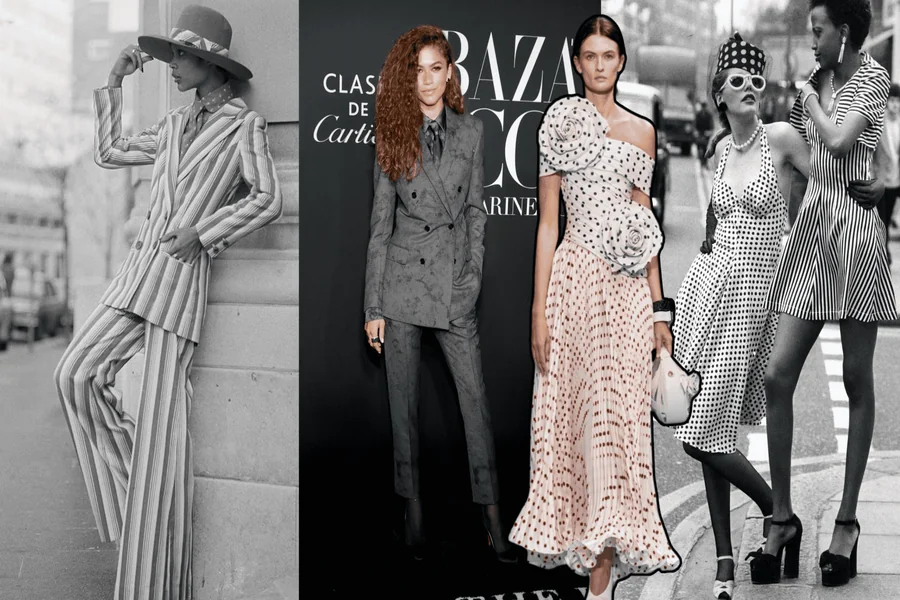

Fashion is notoriously cyclical, constantly drawing inspiration from the past to redefine the future. Today, we are witnessing a phenomenon where historical aesthetics are returning not just as fleeting trends, but as foundational wardrobe staples. When observing Retro Revivals: How Vintage Silhouettes Are Making a Massive Comeback, it becomes clear that this movement is more than just a nostalgic trip down memory lane. It represents a calculated, creative reinterpretation of the shapes, cuts, and structural designs that defined previous decades of style. Designers, influencers, and everyday consumers alike are turning away from the hyper-fast, easily disposable clothing models of recent years. Instead, they are favoring pieces that carry a sense of history, character, and enduring elegance. The undeniable charm of past eras is sweeping through modern luxury runways, accessible retail stores, and global street fashion, proving definitively that great design truly has no expiration date. As we critically examine the garments currently filling our closets, the stylistic echoes of the twentieth century are louder and more influential than ever before. This return to classic form highlights a collective desire for substance and longevity in our personal style choices.
The Nostalgia Factor in Modern Fashion
Why do we instinctively gravitate toward clothing styles that peaked before some of us were even born? Nostalgia plays a massive and undeniable role in global consumer behavior, especially in times of rapid technological advancement and cultural uncertainty. People naturally seek comfort in the familiar, and vintage styles offer a highly tangible connection to seemingly simpler, more glamorous times. This deep emotional resonance is a primary driving force behind the resurgence of classic silhouettes across all demographics. Wearing a beautifully tailored woolen coat reminiscent of the nineteen fifties or a free-flowing, heavily patterned bohemian dress from the seventies allows individuals to channel the distinct, romanticized energy of those eras. Furthermore, popular digital media, including wildly successful television shows and blockbuster films set in past decades, continually feed our collective fascination with retro aesthetics. Costume designers for these productions meticulously research and recreate period-accurate clothing, which in turn sparks massive consumer demand for similar, wearable styles in the real world. Social media platforms also act as catalysts, where vintage fashion enthusiasts can share their archival finds with millions of followers, instantly popularizing long-forgotten cuts. The psychological comfort of nostalgia, combined with the inherent quality and thoughtful design of older clothing shapes, creates a perfect storm for a sustained fashion revival. Consumers are not just blindly buying clothes; they are investing in the rich narratives of bygone eras, finding their personal identity through historical sartorial expression.
Redefining the Shapes of the Sixties and Seventies
The nineteen sixties and seventies were periods of immense social, political, and cultural upheaval, and the global fashion of the time vividly reflected this dramatic shift. Today, the distinct silhouettes that defined these transformative decades are returning with an incredible vengeance. From the sharp, rigid geometric lines of mid-sixties mod dresses to the relaxed, flowing fits of seventies bohemian maxi skirts, the structural diversity of this era offers endless, rich inspiration for modern designers. Flared trousers and dramatic bell-bottoms, perhaps the most immediately recognizable silhouettes of the nineteen seventies, have aggressively reclaimed their spot as essential fashion items, effectively dethroning the restrictive skinny jeans that dominated the early two thousands. These distinctly flared shapes purposefully elongate the leg and provide a dynamic, sweeping physical movement that rigid contemporary cuts often completely lack. Modern iterations of these vintage designs frequently incorporate updated, breathable fabrics and slight proportional tweaks to ensure they feel fresh and modern rather than looking like a retro costume. High-waisted pants paired with cropped, tightly fitted tops perfectly echo the rebellious yet intentionally tailored spirit of the past while seamlessly suiting today’s casual styling preferences. The classic peasant blouse, characterized by its voluminous sleeves, lightweight fabrics, and intricate floral embroidery, has also made a triumphant return, offering a soft, romantic contrast to the sharp, utilitarian tailoring of modern streetwear. By skillfully blending these authentic vintage shapes with contemporary styling techniques, fashion enthusiasts can joyfully celebrate the bold experimentation of the sixties and seventies in their everyday lives.
The Power Suits and Oversized Fits of the Eighties
If the nineteen seventies were heavily about free expression and relaxed fits, the nineteen eighties were undeniably defined by bold, aggressive statements and unapologetic confidence. The iconic power suit, an absolutely defining garment of this loud era, was characterized by its exaggerated shoulder pads, tightly cinched waists, and fiercely structured tailoring. This formidable, commanding silhouette is currently experiencing a major global renaissance as modern consumers eagerly embrace clothing that visually projects authority, competence, and physical strength. The oversized blazer, heavily inspired by both eighties traditional menswear and women’s corporate executive wear, has rapidly become a ubiquitous, mandatory layering piece in contemporary casual fashion. Whether it is casually thrown over a delicate, feminine slip dress or purposefully paired with relaxed vintage denim, the broad-shouldered silhouette instantly elevates an entire outfit, providing a crucial sense of architectural structure and deliberate intentionality. The widespread appeal of this specific eighties revival lies heavily in its dramatic visual proportions and robust structural integrity. High-waisted, heavily tapered trousers—often affectionately referred to as mom jeans or pleated vintage slacks—offer a highly flattering and comfortable alternative to tight-fitting modern bottoms, expertly emphasizing the natural waistline while simultaneously allowing for unrestricted movement. Even formal evening wear is heavily taking cues from this decadent decade, with dramatic puffy sleeves, bold asymmetrical necklines, and heavy fabric draping making frequent, celebrated appearances on international red carpets. This exciting resurgence of bold, structured silhouettes powerfully speaks to a collective modern desire to take up physical space and make a highly visible impact.
Nineties Minimalism and the Y2K Resurgence
In stark, deliberate contrast to the loud maximalism of the nineteen eighties, the nineteen nineties ushered in a much-needed era of understated minimalism and intentionally relaxed silhouettes. This specific decade is perhaps the most heavily and frequently referenced in current fashion cycles, largely due to its intense focus on physical comfort, striking androgyny, and an aura of effortless, unbothered cool. The classic slip dress, an absolute staple of nineties minimalism championing sleek simplicity, has once again become a highly versatile, indispensable wardrobe essential, widely praised for its simple, body-skimming cut that can easily be dressed up for formal events or dressed down for casual outings. Straight-leg denim and excessively baggy, oversized jeans have entirely reshaped the contemporary global denim market, aggressively prioritizing wearer comfort and a relaxed, laid-back attitude over the highly restrictive fits of previous years. The massive return of these relaxed silhouettes aligns absolutely perfectly with the modern societal shift toward casual, highly functional daily dressing. Furthermore, the chaotic fashion of the early two thousands—now globally categorized and referred to as Y2K fashion—has forcefully brought back controversial silhouettes like low-rise pants, utilitarian cargo trousers, and extremely cropped baby tees. While these specific silhouettes were once widely considered controversial or unflattering, they have been creatively reinterpreted by a brand new, eager generation of fashion enthusiasts who deeply appreciate their playful, deeply subversive qualities. The aggressively baggy cargo pant, renowned for its practical utilitarian pockets and excessively loose fit, perfectly encapsulates the modern consumer desire for practical yet visually striking clothing. The massive resurgence of these specific casual cuts highlights a much broader cultural shift away from rigid, uncomfortable formality, eagerly embracing an aesthetic that feels completely lived-in.
Sustainability and the Thrifting Movement
The massive comeback of authentic vintage silhouettes is not solely driven by superficial aesthetic preferences; it is deeply and inextricably intertwined with the rapidly growing global demand for highly sustainable fashion practices. As modern consumers become increasingly, painfully aware of the devastating environmental and ethical impacts of the fast fashion industry, millions are rapidly turning to secondhand shopping and careful vintage curation as vital ethical alternatives. This massive global shift in consumer purchasing behavior has directly and powerfully fueled the explosive popularity of retro clothing styles. When dedicated shoppers frequent local thrift stores, consignment shops, and specialized vintage boutiques, they are naturally and repeatedly exposed to the superior cuts, durable fabrics, and meticulous construction techniques of previous fashion decades. Finding a perfectly tailored, authentic vintage trench coat or scoring a pristine pair of original nineteen seventies Levi’s offers a unique consumer thrill that cheaply mass-produced, modern garments simply cannot ever replicate. The demonstrably superior craftsmanship and highly durable material compositions of older clothing mean that these original vintage silhouettes frequently outlast their modern, contemporary counterparts by many years. Consequently, smart modern fashion brands are acutely recognizing this surging demand and are consciously designing new, high-end collections that intentionally mimic the specific look, weight, and feel of high-quality historical garments. By eagerly adopting and promoting these historical silhouettes, the modern fashion industry is slowly encouraging a much more sustainable, circular economy, where brilliant styles are constantly recycled and cherished rather than immediately discarded after a single wearing season. This vital intersection of modern environmental consciousness and classic historical style completely ensures that the current retro revival is definitely not just a fleeting passing fad.
FAQs
Q: Why are vintage silhouettes becoming popular again? A: Vintage silhouettes are regaining immense popularity due to a cultural sense of nostalgia, a strong desire for sustainable fashion alternatives, and a broad appreciation for the durable craftsmanship and unique aesthetic proportions of past decades. Q: What exactly defines a vintage silhouette? A: A vintage silhouette refers to the overall distinct shape, physical outline, and specific structural proportions of a garment that was highly popular in a previous historical era, such as the flared legs of the seventies or the exaggerated shoulder pads of the eighties. Q: Are modern fast fashion brands participating in this retro trend? A: Yes, many global fast fashion brands rapidly mass-produce inexpensive garments that mimic popular vintage cuts and styles, though they unfortunately often lack the high-quality materials and robust construction techniques found in authentic historical pieces. Q: How can I easily incorporate vintage shapes into my modern wardrobe? A: You can easily and seamlessly blend these classic shapes into your daily outfits by pairing a bold statement retro piece, like a heavily oversized blazer or flared trousers, with simple, contemporary basics to maintain a balanced and highly modern look. Q: Is the popular Y2K style officially considered a vintage silhouette? A: As the fashion industry operates on a roughly twenty-year cyclical timeline, the clothing styles of the early two thousands are now officially considered vintage by standard industry metrics, making the low-rise jeans and baggy cargo pants of the Y2K era a major part of the current retro revival.
Final Thought
The inherently cyclical nature of global style virtually guarantees that true sartorial brilliance is never completely lost to time; it simply waits patiently for a new, eager generation to rediscover its profound value. The current, massive wave of retro trends definitively proves that historical fashion holds immense, enduring power, offering modern individuals a unique way to express themselves through the proven cuts and structural designs of the distant past. Whether it is the wonderfully relaxed, effortless minimalism of the nineteen nineties or the sharp, highly commanding power tailoring of the nineteen eighties, these returning shapes gracefully allow us to curate personal wardrobes that feel both incredibly timeless and uniquely personal. By warmly embracing these classic, historical outlines, we continuously celebrate the enduring, rich legacy of brilliant fashion design while simultaneously and creatively crafting the exciting future of modern personal style.