
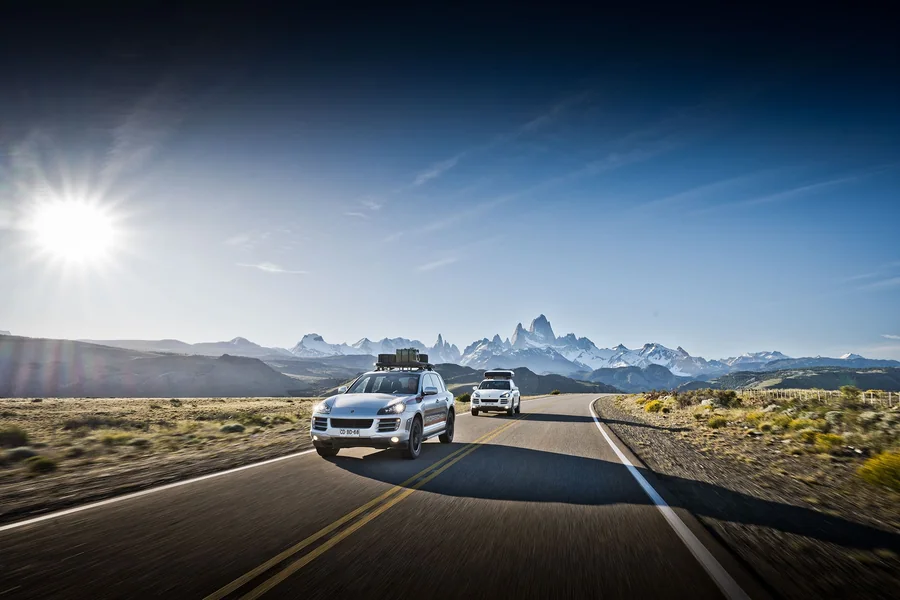

The hum of the engine, the endless stretch of tarmac ahead, and the feeling of absolute freedom are universal markers of a great highway journey. Welcome to Asphalt and Adventure: The Ultimate Road Trip Diary. There is something profoundly transformative about packing your bags, tossing them into the trunk, and leaving your daily routine in the rearview mirror. This guide is not just about getting from point A to point B; it is about embracing the miles in between and soaking in every landscape you pass. Traveling by car allows for a unique intimacy with the environment that flying completely bypasses. You become an active participant in the changing scenery, feeling the subtle shifts in altitude, watching the weather transform over the horizon, and witnessing the gradual transitions from bustling urban cityscapes to serene, untouched wilderness. The open road has long been a symbol of liberty, a canvas upon which travelers paint their own unique stories. It strips away the rigid schedules of modern existence, replacing morning alarms and commutes with sunrises over the dashboard and the rhythmic rotation of tires. This diary will serve as your comprehensive companion, ensuring that every mile you drive is filled with excitement, safety, and joy. We will cover the granular details of planning your route, prepping your vehicle, and maintaining your comfort over long hours. We will also delve into the philosophy of slow travel, encouraging you to step off the beaten path and engage with the world at a more deliberate, meaningful pace. By the time you reach the end of this guide, you will be fully equipped to turn your driving ambitions into an unforgettable reality.
Planning Your Perfect Highway Getaway
A successful drive requires a delicate balance between meticulous planning and the willingness to let things unfold naturally. Before you even turn the ignition key, sit down with a physical map or a digital navigation tool to chart your primary course. While spontaneity is a wonderful aspect of traveling, knowing your general direction and daily driving limits prevents exhaustion and frustration. Decide on a rough estimate of how many hours you want to drive each day. Driving for more than eight hours can lead to serious fatigue, so it is usually best to cap your daily mileage and allow time for rest. Once you have a general route, research potential overnight stops and map out a realistic timeline. Booking accommodations in advance, especially during peak travel seasons, ensures you are not left scrambling for a bed after a long, exhausting day behind the wheel. However, it is equally important to leave some flexibility in your schedule. If you find a charming small town that you want to linger in for an extra afternoon, your itinerary should be loose enough to accommodate that sudden shift in plans. Budgeting is another crucial element of your pre-departure checklist. Factor in fluctuating fuel costs, toll roads, food, lodging, and an emergency fund for unexpected mechanical issues. Consider downloading various travel applications that track gas prices in real-time, helping you save money along the way. Planning your meals can also significantly impact both your budget and your physical well-being. While fast food is convenient and tempting, relying on it for weeks can drain your energy and leave you feeling sluggish. Pack a heavy-duty cooler with fresh fruits, deli sandwiches, and plenty of water to keep you nourished and hydrated while cruising down the interstate. Furthermore, consider the season in which you are traveling. Winter driving requires specific precautions, such as snow chains and cold-weather survival gear, while summer driving demands vigilant attention to your engine’s cooling system and tire pressure. Taking these variables into account during the planning phase ensures a smoother, safer journey.
Essential Gear and Vehicle Preparation
Your vehicle is your most important asset on a journey like this, functioning as your primary mode of transportation and, occasionally, your makeshift living room. Before departing, take your car to a trusted mechanic for a comprehensive inspection. This detailed check should include evaluating the brakes, tire tread depth, fluid levels, belts, hoses, and the battery’s charge capacity. A simple oil change and tire rotation before you leave can prevent major headaches and expensive towing bills later on. Ensure your spare tire is properly inflated and in good condition, and verify that you have a functional jack and lug wrench on hand. It is also wise to invest in a robust roadside emergency kit containing heavy-duty jumper cables, reflective flares, a powerful flashlight, comprehensive first aid supplies, and basic hand tools. Beyond strict vehicle maintenance, carefully curate the personal gear you pack in the trunk. Space is often limited, so prioritize versatile clothing suitable for various weather conditions and activities. Layering is key, as temperatures can fluctuate wildly depending on your elevation and the geographical region you are traversing. Comfort is paramount for long hours behind the wheel, so pack loose, breathable fabrics and supportive footwear. While digital navigation is the modern standard, a physical map is absolutely essential, as cellular service can be notoriously unreliable in remote mountain passes or vast desert stretches. Do not forget to curate a fantastic entertainment selection for the cabin. Build lengthy playlists that match the mood of the changing scenery, mixing upbeat anthems for sunny coastlines with acoustic melodies for winding forest roads. Download several audiobooks and engaging podcasts to keep your mind active during the more monotonous stretches of highway. Finally, bring physical comfort items like an ergonomic travel pillow, a favorite warm blanket, and high-quality polarized sunglasses to reduce glare and prevent eye strain during those long afternoon drives. Staying organized is equally vital; use packing cubes and trunk organizers to keep clean clothes separate from dirty laundry and ensure that daily essentials are always within easy reach.
Finding Joy in the Unexpected Stops
The true essence of traveling by car lies not solely in reaching the final destination, but in the myriad of small, unexpected moments that happen along the way. While it is incredibly tempting to lock your cruise control and barrel down the interstate to make good time, the most memorable experiences almost always require taking the exit ramp. Keep an observant eye out for quirky roadside attractions, historical markers, local farmers’ markets, and classic diners. These unplanned detours effectively break up the monotony of driving and provide a genuine, unfiltered taste of local culture. When you see a billboard for the world’s largest ball of twine or an obscure regional museum, take the time to stop and investigate. These eccentricities add vibrant color, humor, and unique storytelling elements to your journey. Engage with the local residents whenever the opportunity arises. The waitress at a small-town diner or the attendant at a rural gas station often possesses the very best recommendations for hidden scenic overlooks or quiet municipal parks that will never appear in standard internet travel guides. Embrace the concept of slow travel with an open heart. If a particular vista captures your attention as you round a bend, pull over safely onto the shoulder and simply absorb the incredible view. Take plenty of photographs to document the trip, but also remember to take moments to put the camera down and appreciate the raw landscape with your own eyes. Unexpected challenges, such as a minor flat tire or a sudden, torrential rainstorm, can also become cherished memories if approached with the right attitude and a sense of humor. A brief vehicle breakdown might surprisingly lead to an overnight stay in a fascinating, welcoming community you would have otherwise bypassed entirely. Adaptability turns temporary inconveniences into integral, defining chapters of your overall story. The rhythm of the road will eventually teach you to surrender rigid, minute-by-minute expectations and find profound delight in the present moment, whatever it may bring.
Final Thought
Embarking on a massive road trip is an exercise in freedom, personal resilience, and a deep appreciation for the vast, diverse world around us. It strips away the overwhelming complexities of modern life, temporarily reducing your daily concerns to monitoring fuel levels, reading navigation signs, and finding a decent cup of coffee. As you rack up the miles on the odometer, you will likely find that the constant motion provides a profound, unexpected sense of peace and mental clarity. The journey challenges you to be entirely present, to adapt quickly to changing environments, and to find striking beauty in the most unexpected places. Whether you choose to travel solo for deep introspection, with a romantic partner to strengthen your bond, or with a vehicle full of family members seeking collective fun, the shared experiences and inside jokes generated on the road will bind you together long after the luggage is unpacked and stowed away. The highway is a magnificent, unforgiving, and rewarding teacher, offering daily lessons in patience, resourcefulness, and the sheer, unadulterated joy of movement. So, gather your physical maps, thoroughly prepare your vehicle, pack your bags with care, and set out with an open mind to create your own unique, unforgettable adventure on the pavement.
FAQs
How do I choose the best vehicle for a long drive? The best vehicle depends heavily on your specific personal needs, but overall reliability and interior comfort should always remain your top priorities. A spacious SUV or minivan is typically ideal for larger families needing extra cargo room, while a fuel-efficient sedan works perfectly for solo travelers or couples planning to stay in hotels along the way.
What are the most important things to pack in a roadside emergency kit? Your emergency kit must absolutely include heavy-duty jumper cables, a reliable LED flashlight with extra batteries, reflective warning triangles, a comprehensive first aid kit, and basic tools like a multi-tool and a crescent wrench. It is also highly recommended to pack a surplus of drinking water and non-perishable, high-energy snacks just in case you are stranded for an extended period waiting for a tow truck.
How can I stay awake and alert during long stretches of driving? To maintain maximum alertness and safety, you should take frequent, scheduled breaks every two to three hours to stretch your legs and get some fresh air. You must also stay properly hydrated, listen to engaging podcasts or upbeat music to stimulate your brain, and switch drivers regularly if you are traveling with licensed companions.
Is it better to book hotels in advance or find accommodations on the fly? Booking your lodging well in advance offers immense peace of mind and guarantees a safe place to sleep, especially during busy holiday weekends or when passing through highly popular tourist areas. However, leaving some nights entirely open allows for much greater flexibility if you decide on a whim to change your route or stay longer in a specific, charming town you find along the way.
What is the best way to manage a travel budget? You should track your daily expenses meticulously using a dedicated smartphone application or a small physical notebook to ensure you are not overspending on expensive food or unnecessary souvenirs. You can successfully save a significant amount of your hard-earned money by packing your own lunches in a cooler, utilizing loyalty programs at various gas stations, and actively seeking out free natural attractions instead of paying for expensive, crowded tourist traps.